
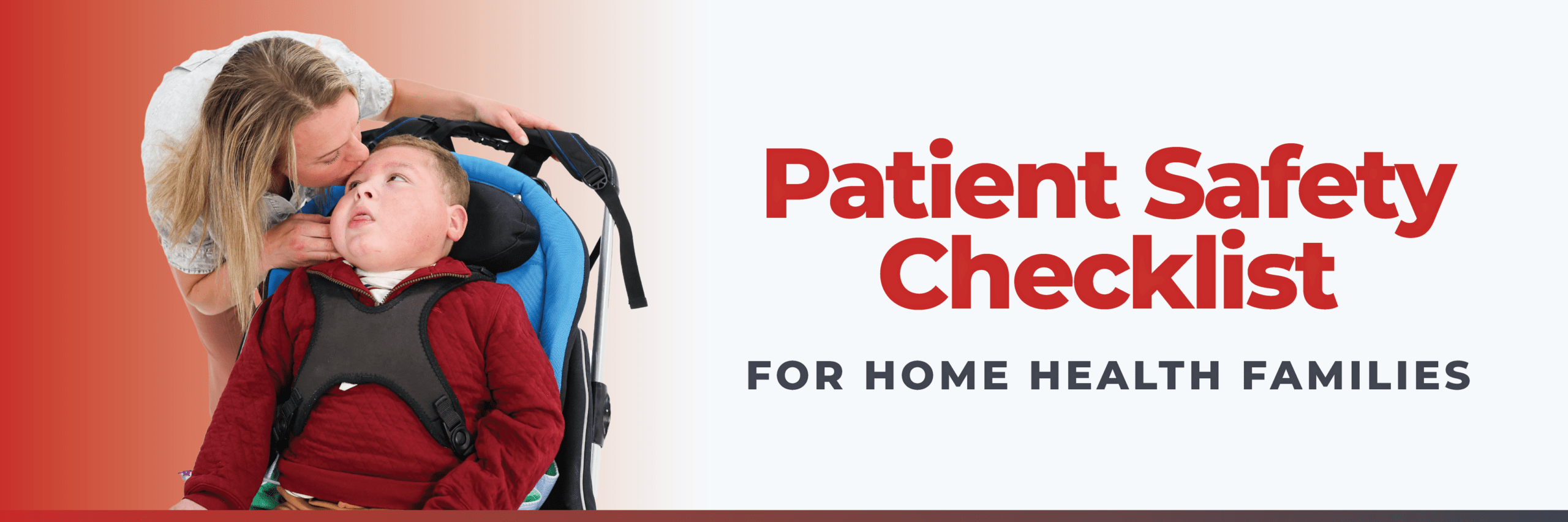
What Families Should Know About Patient Safety in Home Health Care
When a child or adult family member receives care at home, safety becomes part of everyday life.
For families caring for a medically complex loved one, patient safety is not limited to one appointment, one visit, or one care plan. It happens through daily routines, medication schedules, equipment checks, symptom monitoring, communication with providers, emergency planning, and the support of everyone involved in the patient’s care.
In home health care, safety is strongest when families, caregivers, nurses, physicians, case managers, and care teams stay connected.
At Team Select Home Care, we support medically complex children and adults through compassionate, one-on-one care at home. Depending on the patient’s needs, physician orders, eligibility, payer requirements, staffing availability, and services available in their area, home health care may include private duty nursing, skilled nursing support, family education, care coordination, and clinical oversight.
Below is a practical safety checklist families can use to help create a safer home environment. Families can also create a customized emergency plan using guidance from ready.gov.
Quick Answer: What Should Be Included in a Home Health Care Patient Safety Checklist?
A home health care patient safety checklist should include emergency contacts, when to call 911, an updated medication list, follow-up appointment details, fall prevention steps, medical equipment instructions, backup power planning, and clear communication between families, nurses, physicians, and care teams.
For medically complex children and adults, this type of checklist can help families feel more prepared for daily care routines and unexpected changes at home. It can also support safer communication when a new symptom appears, a medication changes, equipment needs attention, or a family caregiver is unsure who to contact.
Home Health Care Patient Safety Checklist
Every home, patient, and care plan is different. Families should always follow the guidance of their physician, nurse, pharmacist, durable medical equipment provider, and licensed care team.
However, these core checklist items can help families organize important information and strengthen safety at home.
1. Emergency Contact List
Every household should have an easily accessible emergency contact list.
This list may include:
- Primary care physician
- Specialist providers
- Home health agency contact
- Nurse or clinical team contact
- Durable Medical Equipment, or DME, company
- Pharmacy
- Case manager or care coordinator
- Local emergency services
- Emergency backup caregiver or trusted family contact
Families should also clearly understand:
- Which symptoms require immediate 911 activation
- Which concerns should be reported to the nurse, physician, or clinical team first
- How to describe the patient’s condition during an emergency call
- Where important medical information is located in the home
- Who should be contacted if equipment, power, transportation, or caregiver support becomes unavailable
Posting this information in a visible, easy-to-access location can help reduce confusion during high-stress moments.
Families can also use resources from Ready.gov to help create a family emergency communication plan and prepare for unexpected situations.
2. Medication Schedule and Updated Medication List
Medication safety is one of the most important parts of patient safety at home.
Families should maintain:
- A clearly written daily medication schedule
- An updated list of all medications
- Dosage and frequency information
- Medication administration instructions
- Allergy information
- Recent medication changes
- Pharmacy contact information
- Notes from physician or specialist visits that affect medication routines
Medication lists should be reviewed regularly with the appropriate care team members, especially after hospitalizations, emergency visits, specialist appointments, or changes in condition.
In home health care, skilled nurses may help support medication safety by following physician orders, documenting medication administration, communicating concerns, and helping families understand when to contact the appropriate provider.
Families should always speak with their physician, pharmacist, or licensed care provider when they have questions about medication timing, side effects, missed doses, or dosage changes.
3. Follow-Up Appointments and Clear Points of Contact
Patients with chronic or complex conditions often have multiple providers involved in their care.
A strong safety plan may include:
- A calendar of upcoming appointments
- Notes from recent provider visits
- Clear instructions for any post-visit care changes
- Updated physician orders, when applicable
- Names and phone numbers for key providers
- Information on who to contact when symptoms change
- Documentation needs for insurance, Medicaid, or payer requirements
When families know who to call and when to call, they are better prepared to respond when something changes.
This is especially important after a hospital discharge, specialist visit, new diagnosis, change in medication, or update to the care plan.
4. Fall Prevention and Mobility Safety
Mobility challenges, medical equipment, fatigue, weakness, and environmental hazards can increase fall risk at home.
Important safety steps may include:
- Keeping walkways clear
- Removing loose rugs or tripping hazards
- Securing tubing, cords, and medical lines
- Using recommended mobility devices correctly
- Keeping frequently used items within reach
- Making sure rooms and hallways are well-lit
- Reviewing transfer techniques with a trained professional
- Asking the care team about fall prevention strategies
For adults receiving care at home, fall prevention may be especially important if they are recovering after hospitalization, managing chronic conditions, using oxygen or feeding equipment, experiencing weakness, or needing mobility assistance.
The CDC’s STEADI fall prevention resources provide additional information for older adult fall prevention and caregiver education.
5. Medical Equipment Instructions and Troubleshooting
Many medically complex children and adults rely on specialized medical equipment at home.
Depending on the patient’s needs, this may include:
- Oxygen equipment
- Ventilators
- Feeding pumps
- Suction machines
- Nebulizers
- Monitors
- Mobility equipment
- Other durable medical equipment
Families should know:
- How each piece of equipment is used
- Who to contact if equipment stops working
- How to identify warning signs, alarms, or error messages
- Where backup supplies are located
- What to do during a power outage
- When to contact the DME company
- When to escalate concerns to the nurse, physician, or emergency services
Written instructions should be kept in a visible location, and families should ask the DME provider or licensed care team for training when equipment is introduced or changed.
The FDA provides safety information and resources for medical devices used in the home environment through its Home Use Devices resources.
6. Natural Disaster and Shelter Safety Planning
Emergency preparedness can look different for families caring for a medically complex loved one.
Families may need to plan for:
- Power outages
- Extreme weather
- Evacuations
- Shelter-in-place situations
- Transportation barriers
- Medication storage
- Backup supplies
- Medical equipment needs
- Access to oxygen, feeding supplies, or other essential care items
A home health care emergency plan may include:
- A written evacuation plan
- Backup caregiver contacts
- Copies of important medical documents
- Extra medication and supply planning, when appropriate
- DME provider emergency contact information
- Backup power options for essential equipment
- A communication plan for family members and care teams
Families should speak with their care team, DME provider, and local emergency resources about what planning may be needed for the patient’s specific care needs.
7. Backup Batteries and Portable Charging Devices
For patients who rely on powered medical equipment, backup power planning can be a critical part of safety at home.
Families should consider:
- Which devices require electricity
- How long backup batteries last
- Whether portable charging devices are available
- Where backup batteries are stored
- How to keep devices charged
- Who to call if power is lost
- Whether local utility providers offer medical necessity programs or emergency alerts
Families should also ask their DME provider how equipment should be managed during outages, travel, or emergency situations.
Preparation helps protect continuity of care.
8. Communication Plan for Families, Nurses, and Providers
Clear communication is one of the most important parts of patient safety in home health care.
Families should know:
- Who to contact for clinical concerns
- Who to contact for scheduling questions
- Who to contact for medication questions
- Who to contact for equipment issues
- How care plan updates are shared
- How changes in condition should be documented
- What information should be communicated after appointments or hospital visits
In many cases, safer care at home is built through repeated moments of communication: a documented change, a clarified order, a family concern shared early, a nurse update to the clinical team, or a care coordinator helping connect the next step.
These moments may seem small, but they can make a meaningful difference.
Patient Safety in Pediatric Home Health Care
For children with complex medical needs, patient safety at home may involve many moving parts.
Depending on the child’s condition and care plan, families may be managing:
- Medication routines
- Respiratory support
- Feeding support
- Seizure precautions
- Cardiac monitoring
- Tracheostomy or ventilator care
- Equipment checks
- School communication
- Specialist appointments
- Emergency planning
Parents and caregivers often know a child’s baseline better than anyone. They may notice subtle changes in breathing, feeding tolerance, energy, sleep, comfort, behavior, or responsiveness before anyone else.
That family insight matters.
In long-term pediatric care, safer care often depends on strong communication between families, nurses, physicians, specialists, and other care team members.
When everyone understands the care plan and knows how to report changes, families can feel more supported in the daily routines that happen between appointments.
Patient Safety in Adult Private Duty Nursing at Home
Patient safety is just as important for adults receiving private duty nursing services at home.
Adults receiving care may be managing chronic or complex conditions such as respiratory needs, neurological conditions, mobility limitations, cardiac concerns, medication changes, recovery after hospitalization, or long-term skilled care needs.
For adult patients, safety planning may include:
- Medication management and monitoring
- Fall prevention and mobility support
- Symptom tracking
- Safe use of medical equipment
- Emergency planning for sudden changes
- Documentation of changes in condition
- Communication between caregivers, nurses, physicians, and case managers
For adults with chronic or complex conditions, patient safety at home often depends on consistency. Medication routines, mobility support, symptom monitoring, equipment use, documentation, and provider communication all play a role in helping care feel more organized and responsive.
Many adult patients also rely on family members or trusted caregivers for additional support, which makes caregiver education an important part of maintaining a safe home environment.
How Care Coordination Supports Safer Care at Home
Care coordination helps families, nurses, providers, case managers, and care teams stay aligned around the patient’s needs.
For children and adults with chronic or complex conditions, care coordination may help:
- Reduce confusion
- Improve communication
- Support medication routines
- Strengthen documentation
- Identify changes in condition
- Clarify who to contact
- Support transitions from hospital to home
- Keep the broader care team informed
When care is complex, small communication gaps can create stress. A medication change may need to be shared. A new symptom may need to be documented. A family may need help understanding who to call. A nurse may need updated orders or clarification. A case manager may need information about services or authorization.
Care coordination helps connect those details.
For families looking for a deeper look at this topic, Team Select’s blog on how care coordination supports safer care at home can be used as a helpful next step once the new World Patient Safety Day article is published.
How Technology and CareSightAI Can Support Patient Safety
Preparation, education, communication, and clinical skill form the foundation of patient safety at home. Technology can add another layer of support.
Team Select’s CareSightAI platform is a proprietary predictive analytics platform built specifically for the home health environment. It is designed to help identify early warning signs that may point to a change in condition, supporting clinical teams as they monitor medically complex patients receiving care at home.
In home health care, small changes can matter. When used alongside skilled nursing care, family communication, documentation, and clinical oversight, technology may help care teams recognize patterns earlier and respond with more context.
CareSightAI is not a replacement for the people who know the patient best. It is another layer of support working alongside nurses, families, and clinical teams.
How Team Select Home Care Supports Families
At Team Select Home Care, patient safety is woven into how care is planned, communicated, documented, and supported.
Our teams work with families caring for medically complex children and adults at home. Depending on location, eligibility, physician orders, payer requirements, staffing availability, and available services, Team Select may support families through:
- Private duty nursing services
- Pediatric home health care
- Adult home health care
- Family Support Program and Care education
- State Resources for families
- Local office support
Team Select accepts complex pediatric and adult referrals across multiple states and works with families, physicians, and care teams to help patients receive compassionate care in the comfort of home.
Families can explore available services through our services page or find a Team Select office near by to learn more about local care options.
Home Health Care Patient Safety FAQs
Get in Contact with Team Select Home Care
For families caring for a medically complex child or adult, a patient safety checklist can help bring important information into one place. It can also make it easier to prepare for emergencies, communicate with care teams, manage routines, and know what steps to take when something changes.
When families feel informed, nurses feel supported, and care teams stay connected, home health care can become a safer and more coordinated experience.
If your family is caring for a loved one with chronic or complex medical needs, Team Select Home Care can help you explore pediatric home health care, adult home health care, private duty nursing, and available support based on your location, eligibility, physician orders, payer requirements, and available services.

