
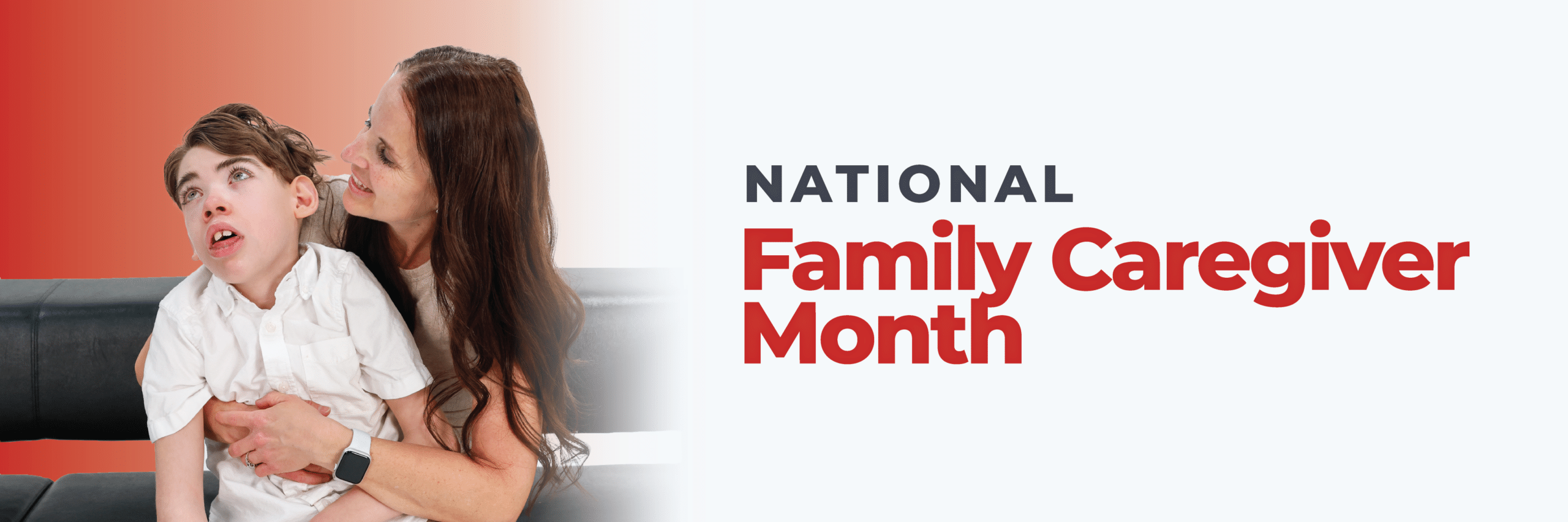
For families of medically fragile children, the ongoing nursing shortage is more than a healthcare workforce challenge. It can mean an unfilled shift, a parent missing work, or another night spent balancing complex medical needs with the everyday responsibilities of family life.
Parents are already among their children’s strongest advocates. They coordinate appointments, manage care routines, communicate with physicians and nurses, recognize subtle changes in their child’s condition, and do everything they can to ensure their loved one receives the care they need at home. When nursing coverage is limited, even more responsibility can fall on their shoulders.
Across pediatric home health care, the demand for qualified nurses continues to create challenges for families who depend on consistent, specialized care. Addressing this challenge requires more than recruiting additional nurses. It also means finding innovative ways to strengthen the caregiving workforce, support families, and help medically complex children receive the care they deserve.
During National Family Caregivers Month, observed each November, Team Select Home Care proudly recognizes the extraordinary dedication, resilience, and sacrifices of parents and family caregivers. The 2026 theme, Care Connects Us, reflects something we see every day: meaningful care depends on strong connections between patients, families, nurses, and the communities supporting them.
But recognizing family caregivers also means acknowledging the challenges they face. For parents who have reduced their working hours, stepped away from careers, or made difficult financial decisions to care for their medically complex child, appreciation alone is not enough. Families deserve access to resources and opportunities that can help ease those burdens.
That is why Team Select Home Care continues to advocate for and expand access to Medicaid-supported Family Caregiver Programs as one way to help address the nursing shortage while empowering the families already providing essential care at home.
Through these programs, eligible parents and family members may have the opportunity to complete professional training, become credentialed caregivers, and receive compensation for approved care provided to their child. By helping family members become trained and supported caregivers, these programs can strengthen continuity of care, provide additional caregiving resources, and help ease some of the pressures families face when nursing coverage is limited.
These programs are not intended to replace the expertise of registered nurses (RNs) or licensed practical nurses (LPNs). Instead, they complement skilled Private Duty Nursing services within the scope and requirements of each state’s program, creating another avenue of support for medically fragile children and their families. Because supporting medically complex children means supporting the people who care for them, and ensuring families have the training, resources, and opportunities they need to help their children receive quality care at home.
Quick Answer: Can Parents Get Paid to Care for Their Medically Complex Child Through Medicaid?
Yes. In select states, eligible parents and family members may qualify for Medicaid-supported caregiver programs that allow them to complete required training, obtain a caregiver credential, and receive compensation for authorized care provided to their medically complex child.
Programs such as the Family Certified Nursing Assistant (CNA), Family Licensed Health Aide (LHA), Family Licensed Nursing Assistant (LNA), Family Home Health Aide (HHA), and Complex Care Assistant (CCA) programs offer different pathways depending on state regulations.
Some programs require children to be authorized for Private Duty Nursing before their family member can participate. Others have separate assessment, medical necessity, and payer requirements.
Eligibility, training, compensation, and authorized hours vary by state and individual care plan.
Explore Team Select’s Family Caregiver Programs.
When Being a Parent Also Means Being a Caregiver
Every parent provides care, comfort, and support for their child. But for parents of children with complex medical needs, the responsibilities may extend far beyond typical parenting routines.
Some children require ongoing skilled nursing services, specialized equipment, assistance with daily activities, or consistent monitoring and coordination of their medical needs.
A parent may become the person who knows every detail of their child’s care routine, recognizes subtle changes, communicates with providers, and advocates for the services their child needs.
That commitment can also come with financial consequences.
According to the 2025 Caregiving in the U.S. report, published by AARP and the National Alliance for Caregiving, approximately 63 million American adults provided care to someone with a medical condition or disability during the previous year. The research also highlights the financial pressure and work-related disruptions experienced by many family caregivers.
For parents of medically complex children, stepping away from employment may sometimes feel less like a choice and more like a necessity. At Team Select Home Care, we believe parents should have opportunities to explore resources that recognize their caregiving responsibilities while helping them maintain financial stability.
Family caregiver programs are one way that can happen.
How Medicaid Can Help Parents Become Paid Family Caregivers
Many families associate Medicaid with medical appointments, prescriptions, hospital services, or Private Duty Nursing.
However, depending on the state and the patient’s eligibility, Medicaid may also support home health aide services, personal care assistance, and other home-based programs that allow qualifying family members to become paid caregivers.
Through certain state-approved programs, a parent or eligible relative may be able to receive training, meet caregiver qualification requirements, and become employed by a participating home health agency to provide authorized services to their child.
Rather than receiving payment simply for being a parent, the family member becomes an approved caregiver with defined responsibilities, training, documentation, and oversight requirements.
In Team Select’s agency-based family caregiver programs, this process may involve a clinical assessment, state-specific training, employment onboarding, Medicaid or insurance authorization, and supervision from qualified healthcare professionals.
Being a parent does not automatically qualify someone for caregiver compensation. Medicaid coverage, medical necessity, caregiver qualifications, approved hours, and program availability must all be considered.
That distinction matters because these programs are designed to support safe, authorized care while recognizing the valuable role family members can play.
How Private Duty Nursing and Family Caregiver Programs Work Together
For many medically complex children, Private Duty Nursing (PDN) provides skilled, one-on-one care from a registered nurse (RN) or licensed practical nurse (LPN).
Private Duty Nursing may support children who have medical needs requiring ongoing skilled nursing assessment and intervention in the home or community.
However, families may still provide significant amounts of care outside scheduled nursing services.
Certain paid family caregiver programs create another pathway for eligible family members to provide services within a defined and authorized scope of practice.
In Florida, for example, the Family Home Health Aide for Medically Fragile Children Program requires the child to be authorized for Private Duty Nursing. Authorized family aide services must be coordinated with nursing services and cannot be provided during the same hours or duplicate authorized nursing care.
In Arizona, the Family Licensed Health Aide Program is available to qualifying children under 21 who meet specific long-term care and skilled nursing eligibility requirements.
In Massachusetts, the Complex Care Assistant Program serves qualifying MassHealth members who meet medical necessity requirements for Continuous Skilled Nursing, a service comparable to what other states call Private Duty Nursing.
Other states establish different eligibility pathways.
These programs do not make a trained family aide equivalent to a licensed nurse. Each caregiver must work within the responsibilities permitted by their credential, applicable regulations, and the patient’s approved care plan.
For families already receiving Private Duty Nursing, speaking with their local Team Select team can be an important first step in understanding whether an additional family caregiver pathway may be available.
What Family Caregiver Programs Does Team Select Offer?
Family caregiver programs are not identical across the country.
Different states use different credentials, establish their own training requirements, and determine how Medicaid or other participating coverage may support family-provided services.
Team Select currently offers the following family caregiver pathways.
Arizona: Family Licensed Health Aide (LHA) Program
Arizona’s Family Licensed Health Aide Program provides an opportunity for eligible parents, legal guardians, and family members to become Licensed Health Aides for medically complex children.
The program is designed for qualifying individuals under age 21 who meet Arizona’s applicable long-term care and skilled nursing requirements.
Family members complete required training and licensure steps before providing approved services.
For parents already navigating Private Duty Nursing services through Arizona’s long-term care system, the program may provide an opportunity to take a more formally recognized and compensated role in their child’s care.
Learn more about Team Select’s Arizona Family LHA Program.
Colorado: Family Certified Nursing Assistant (CNA) Program
Colorado’s Family CNA Program gives eligible family members the opportunity to become Certified Nursing Assistants and provide approved care for loved ones with qualifying needs.
The program can support eligible children and adults, with services and authorized hours determined through the applicable assessment and coverage process.
Family caregivers complete CNA training and competency requirements, allowing them to develop professional caregiving skills while continuing to support someone they know and love.
Team Select works with families to understand care needs, navigate training, and review authorized caregiver hours in accordance with Medicaid requirements.
Speak to Team Select about the Colorado Family CNA Program.
Florida: Family Home Health Aide for Medically Fragile Children Program (AMFC)
Florida’s Family Home Health Aide for Medically Fragile Children Program, commonly referred to as the AMFC or Family HHA Program, offers eligible family members a pathway to become trained and paid caregivers for their medically fragile children.
Under Florida Medicaid requirements, the child must be under 21 and qualify for Private Duty Nursing. A participating family member must complete required training and employment qualifications before providing authorized services.
Family HHA services are coordinated with the child’s Private Duty Nursing plan. They cannot overlap with or duplicate authorized nursing services, and approval is required for the aide services provided.
For Florida parents who are already navigating Medicaid-funded Private Duty Nursing, this program may open the door to professional caregiver training and compensation.
Learn how to become a Family Home Health Aide in Florida.
Massachusetts: Family Complex Care Assistant (CCA) Program
In Massachusetts, eligible parents and family members may qualify to become Complex Care Assistants (CCAs) for loved ones with medically complex needs.
The program operates through MassHealth and is available to individuals who meet the medical necessity requirements for Continuous Skilled Nursing services.
CCAs receive training and competency evaluation appropriate to the authorized tasks they perform, with oversight through a participating Continuous Skilled Nursing agency.
The program is designed to complement skilled nursing services while offering another option for families who need ongoing support at home.
Discover Team Select’s Massachusetts Family CCA Program.
New Hampshire: Family Licensed Nursing Assistant (LNA) Program
Team Select’s New Hampshire Family LNA Program supports eligible family members who want to become Licensed Nursing Assistants and care for a loved one at home.
Participants must meet applicable training, licensing, employment, and coverage requirements.
The program may be available for qualifying children or adults who need hands-on assistance with daily activities, depending on their assessment and insurance or Medicaid coverage.
Team Select helps families explore LNA training opportunities and understand the qualifications involved in becoming a paid family caregiver.
Explore the New Hampshire Family LNA Program.
Pennsylvania: Family Home Health Aide (HHA) Program
In Pennsylvania, eligible family members may pursue training to become Home Health Aides and provide approved services to loved ones at home.
The program focuses on supporting individuals who require hands-on assistance with daily care needs.
For children under 21, eligibility depends on the patient’s needs and applicable payer requirements. Certain adults may also qualify through Medicaid waiver programs.
Team Select helps families understand the assessment process, required HHA training, and next steps toward providing authorized care.
Learn more about Pennsylvania’s Family HHA Program.
Indiana: Family Home Health Aide (HHA) Program
Team Select’s Indiana Family HHA Program provides eligible family members an opportunity to become trained Home Health Aides and receive compensation for approved care.
The program includes 75 hours of training, combining online coursework with in-person clinical instruction.
Qualifying participants may include parents of children with medical or developmental needs and other eligible family members supporting loved ones at home.
Because Indiana’s Medicaid programs have specific rules concerning paid care by parents, spouses, and other legally responsible individuals, eligibility must be evaluated individually.
Explore Team Select’s Indiana Family HHA Program.
What Does It Take to Become a Paid Family Caregiver?
For parents who have spent years caring for a medically complex child, the idea of completing formal caregiver training may raise an understandable question: If I already know how to care for my child, why do I need certification?
The answer is that professional caregiving involves more than familiarity with a child’s routines.
Training and credentialing establish the knowledge, skills, scope of practice, documentation, and competency standards required to provide services under a regulated care program.
Although requirements differ by state, the process generally includes:
- Reviewing your child’s eligibility. Team Select can help families explore whether their child qualifies for an applicable Medicaid-supported or other covered family caregiver program.
- Completing a care assessment. An assessment may help determine medical necessity, the appropriate services, and potential caregiver hours, subject to payer authorization.
- Receiving required training. Depending on the state, this may include classroom education, hands-on clinical instruction, caregiver-specific training, and competency testing.
- Completing credentialing and employment requirements. Background screening, licensing or certification, orientation, and other requirements may apply.
- Beginning authorized care. Once approval and onboarding are complete, eligible caregivers may provide services within their permitted scope and receive compensation for approved hours.
Team Select’s local teams can help families understand which steps apply to their situation.
Why Training and Compensation Matter for Family Caregivers
Parents bring something deeply valuable to their child’s care: familiarity, experience, and a personal understanding of their child’s needs.
They recognize routines, preferences, communication cues, and small changes that someone new to the family might not immediately notice.
Professional training does not replace that knowledge. It builds on it.
Through formal caregiver programs, families may gain additional confidence, develop new care skills, understand professional documentation expectations, and receive guidance from experienced clinical teams.
For parents who have reduced or left employment to care for their child, compensation for approved caregiving services may also help relieve some financial pressure.
This does not mean every hour spent caring for a child becomes paid work. Compensation applies only to services and hours authorized under the applicable program.
It does mean eligible families may have options beyond navigating caregiving entirely on their own.
At Team Select, we believe these opportunities matter not only because of the financial support they may provide, but because they acknowledge the important role families already play in supporting care at home.
Supporting the Caregiver Shortage While Supporting Families
Across home health care, access to qualified caregivers continues to be an important challenge.
For families of medically complex children, staffing difficulties can affect routines, employment decisions, and the amount of unpaid care parents provide.
Family caregiver programs offer an additional care option by helping eligible family members become trained, credentialed members of the caregiving workforce.
These programs are not a replacement for licensed nurses or the need for strong professional home health care teams.
Instead, they can help create another source of qualified support within the care delivery system.
For families, that may mean more consistent routines, another way to participate in an approved care plan, and access to training and clinical guidance.
For the broader healthcare community, it means recognizing that family caregivers can be important partners in meeting ongoing care needs when supported by appropriate education, supervision, and safeguards.
Recognizing Family Caregivers Beyond November
The 2026 National Family Caregivers Month theme, Care Connects Us, reflects something Team Select sees in families every day.
Care connects parents to children, nurses to families, clinical teams to communities, and caregivers to the resources that help them continue doing meaningful work.
For parents caring for medically complex children, that connection can be especially powerful.
But parents should not have to navigate every question about Medicaid, training, caregiver eligibility, or home health services without support.
Through our Family Caregiver Programs, Private Duty Nursing services, clinical resources, and commitment to family advocacy, Team Select Home Care works to help families better understand the options that may be available to them.
This November, we recognize the parents who advocate, coordinate, learn, adapt, and care for their children through every stage of life.
To the parents, guardians, and family caregivers who make a difference every day: thank you. You are Life Changers.
Explore Paid Family Caregiver Programs With Team Select Home Care
Are you caring for a medically complex child who receives Private Duty Nursing or may qualify for Medicaid-supported care at home?
You may have questions about becoming a trained family caregiver, qualifying for compensation, or finding a program in your state.
Team Select Home Care can help you explore available programs, understand possible eligibility requirements, and identify the next steps for your family.
Frequently Asked Questions About Medicaid and Paid Family Caregiver Programs

