Seizure disorders can be unpredictable and for families, that unpredictability can feel overwhelming.

The Role of Private Duty Nursing in Managing Pediatric Seizure Disorders

While many children with epilepsy are safely managed through outpatient care and medication oversight, some children with complex medical needs require a higher level of support. In those cases, Private Duty Nursing (PDN) may play an important role in helping maintain safety and stability at home.

Understanding when skilled nursing becomes medically necessary, and how it supports seizure management, can help families make informed decisions.

When Are Seizure Disorders Managed Through Private Duty Nursing?

Not all seizure disorders qualify for in-home skilled nursing care.

Private Duty Nursing is typically authorized when a child’s medical condition requires ongoing skilled assessment, intervention, and clinical judgment. Seizure disorders may be part of a broader medical profile that includes:

  1. Neurological impairments
  2. Respiratory compromise
  3. Feeding tube dependence
  4. Medication regimens requiring skilled administration
  5. History of prolonged or complex seizures
  6. Physician-ordered continuous monitoring

Eligibility is determined by a physician’s order and payer guidelines, and each case is evaluated individually.

How Private Duty Nursing Supports Pediatric Seizure Management

For children who meet medical necessity criteria, PDN provides structured, one-on-one nursing support in the home.

Team Select’s approach to pediatric seizure care focuses on:

Early Recognition of Seizure Activity

Our nurses are trained to recognize subtle warning signs and changes in condition that may indicate seizure onset. Early recognition supports timely intervention.

Administration of Emergency Medications

When ordered by a physician, skilled nurses administer rescue medications and follow individualized seizure action plans to ensure prompt response.

Continuous Monitoring and Documentation

Accurate documentation of seizure frequency, duration, and presentation helps inform physicians and supports care plan adjustments.

Medication Oversight

Seizure management often involves complex medication schedules. Skilled nursing support reduces the risk of missed doses or errors.

Coordinated Care Planning

We work closely with families, neurologists, and primary care providers to develop individualized care plans tailored to each child’s needs.

Safety at Home: Creating Stability for Families

When seizures are part of a broader medically complex condition, families often benefit from consistent clinical presence in the home.

Private Duty Nursing can help:

  1. Reduce emergency room visits when appropriate
  2. Provide structured monitoring during high-risk periods
  3. Support safe transitions from hospital to home
  4. Reinforce caregiver education and confidence

The goal is not to replace parental involvement, but to strengthen it with professional oversight when medically necessary.

The Team Select Difference

At Team Select Home Care, we treat every patient as an individual.

Our skilled nursing support for children with seizure disorders is designed for those whose medical needs require ongoing clinical oversight. We focus on safety, collaboration, and individualized care planning; always guided by physician orders and clinical necessity.

For families navigating complex medical conditions, clarity matters.

And when skilled support is appropriate, we are honored to provide care that helps children remain safe and supported at home.

Private Duty Nursing & Pediatric Seizure Care: FAQs

No. A diagnosis of epilepsy alone does not automatically qualify a child for Private Duty Nursing (PDN).

PDN services are typically authorized when a child has complex medical needs that require continuous skilled nursing assessment, intervention, and clinical judgment. Seizure disorders may be one component of a broader condition that meets medical necessity criteria.

Eligibility is determined by a physician’s order and payer guidelines, which may include Medicaid or private insurance requirements. Each child’s situation is evaluated individually based on clinical needs.

If families are unsure whether their child may qualify, discussing care requirements with their physician or home health provider is an important first step.

Seizure management may be considered medically complex when it involves:

  1. Frequent or prolonged seizures
  2. History of status epilepticus
  3. Respiratory compromise during episodes
  4. Use of emergency rescue medications
  5. Complex medication regimens requiring skilled administration
  6. Coexisting neurological or developmental conditions
  7. Feeding tubes, ventilator support, or other medical equipment

When seizures are part of a larger clinical picture requiring continuous assessment and intervention, skilled nursing may be necessary to maintain safety and stability.

Eligibility for Private Duty Nursing is typically determined by:

  1. A physician’s assessment and order
  2. Clinical documentation of medical necessity
  3. Review by the child’s insurance provider or Medicaid plan

Authorization decisions are based on established medical criteria and payer policies. Home health agencies can assist families in gathering required documentation and navigating the approval process, but final eligibility determinations are made by the payer.

Clear communication between physicians, families, and care providers is essential.

For children receiving Private Duty Nursing, care is guided by a physician-ordered plan of care, which may include an individualized seizure response protocol developed by the child’s neurologist or primary physician.

This clinical guidance typically outlines:

  1. The child’s typical seizure presentation and known warning signs
  2. When and how to administer rescue medication
  3. Physician-ordered dosage and timing instructions
  4. Parameters for contacting the physician
  5. Clear criteria for calling 911
  6. Post-seizure assessment and monitoring expectations

Skilled nurses implement this plan in coordination with the family and healthcare team, ensuring care remains consistent with physician orders and clinical best practices.

Having clearly documented physician guidance helps reduce uncertainty and supports safe, structured care in the home.

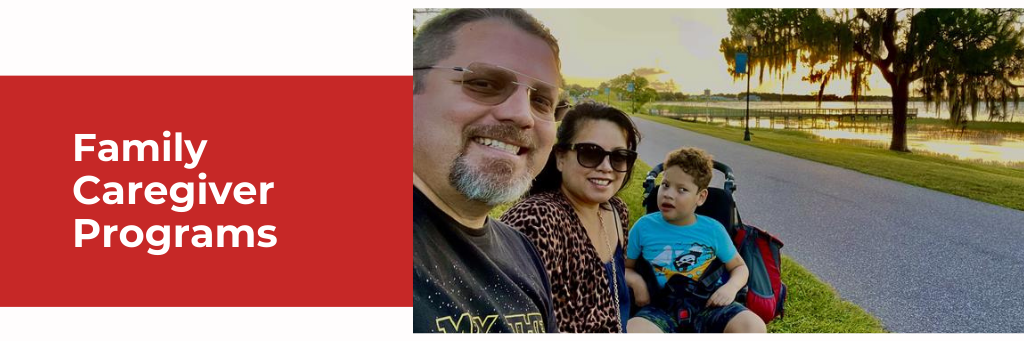
Florida Family Programs, including the Family Home Health Aide (FHHA) program, allow eligible family members to receive training and provide certain home health aide services under licensed provider oversight. These programs are designed to expand access to care for medically fragile children while supporting family involvement in the child’s daily care.

Families should consult with their provider or Medicaid plan for specific eligibility details.

Get in Contact with Team Select Home Care

author avatar
Joy Heitman National Director of Project Management
I am Joy, a pediatric nursing professional whose career has taken me from the bedside to the boardroom. My clinical experience spans pediatric emergency, medical-surgical, and intensive care settings, where I developed a deep expertise in caring for complex pediatric patients across the full continuum of care. I later transitioned into case management, where I honed my skills in care coordination, patient advocacy, and interdisciplinary collaboration. I now serve as National Director of Project Management, where I leverage my frontline clinical knowledge to lead healthcare initiatives and drive meaningful operational change. My unique combination of critical care experience, case management expertise, and leadership allows me to serve as a trusted voice at the intersection of clinical practice and healthcare strategy.