
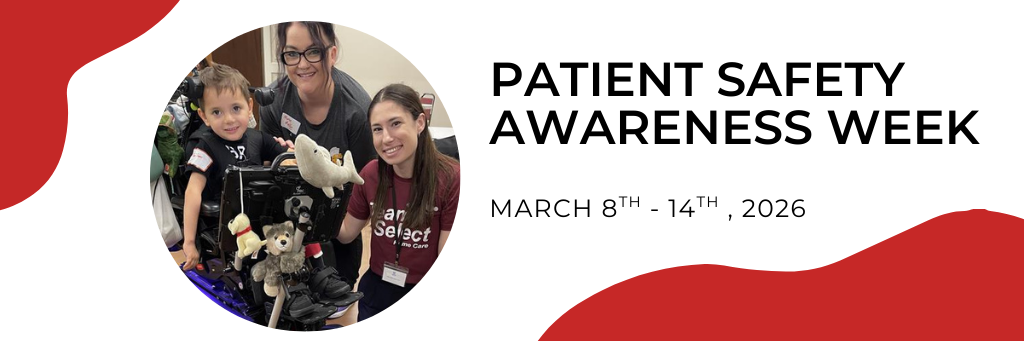
What Families Should Know About Patient Safety in Home Health Care
When your child or adult family member receives care at home, safety becomes part of everyday life.
For families of medically fragile children and adults, routines, preparation, and communication are just as important as clinical skill. While private duty nursing provides professional clinical care, patient safety is strongest when families, caregivers, and care teams work together.
Patient Safety Awareness is not about fear, it’s about preparation. And preparation brings confidence!
Below is a practical safety checklist families can use to help create a safer home environment. Families can also create a customized emergency plan using guidance from ready.gov.
A Patient Safety Checklist for Families and Caregivers
Every home and every patient is different. But these core elements help strengthen safety and continuity of care.
1. Emergency Contact List – Including DME Providers & When to Call 911
Every household should have an easily accessible emergency contact list that includes:
- Primary care physician
- Specialist providers
- Home health agency contact
- Durable Medical Equipment (DME) company
- Pharmacy
- Local emergency services
Families should also clearly understand:
- Which symptoms require immediate 911 activation
- Which concerns should be reported to the nurse or physician first
- How to describe the child’s condition during an emergency call
Posting this information visibly in the home ensures quick access during high-stress moments.
2. Medication Schedule & Updated Medication List
Medication safety is one of the most critical components of pediatric home health care.
Families should maintain:
- A clearly written daily medication schedule
- An updated list of all medications (including dosage and frequency)
- Documentation of any recent changes
- Allergy information
Medication lists should be reviewed regularly with your nurse and physician, especially after hospitalizations or specialist visits.
Consistency and clarity reduce risk.
3. Follow-Up Appointments & Clear Points of Contact
Patients with complex medical needs often have multiple specialists. When everyone knows who to call and when, families feel more secure.
A strong safety plan includes:
- A calendar of upcoming appointments
- Clear instructions for post-visit care changes
- Knowing who to contact if new symptoms arise
- Understanding which concerns require urgent escalation
4. Fall Prevention Training and Knowledge
Mobility challenges, medical equipment, and fatigue can increase fall risk. Preventative education reduces avoidable injuries and builds confidence for caregivers.
Important safety steps include:
- Keeping pathways clear
- Securing tubing and medical lines
- Using recommended mobility devices correctly
- Receiving fall prevention training from your nurse or a trained professional
5. Medical Equipment Instruction & Troubleshooting
Many medically complex children and adults rely on specialized equipment also known as Durable Medical Equipment (DME). This includes feeding pumps, suction machines, oxygen equipment, and other assistive devices.
Hands-on training and repetition are essential. Families and caregivers should be comfortable with:
- Basic device operation
- Alarm meanings and response steps
- Cleaning and maintenance procedures
- Emergency backup plans
6. Natural Disaster & Shelter Safety Planning
In states like Florida, safety planning must also include severe weather preparedness.
Families should have:
- A written emergency evacuation plan
- Information about special needs shelters
- A plan for transporting medical equipment
- Backup medication supplies when possible
Knowing where to go and what to bring can make all the difference during a storm or power outage.
7. Backup Batteries & Portable Charging Devices
Power interruptions can impact medical equipment.
Safety planning should include:
- Accessible backup batteries
- Portable cell phone chargers
- Knowledge of how long equipment can safely run during outages
- DME provider emergency contact information
Preparation protects continuity of care.
Patient Safety in Adult Private Duty Nursing
While many families associate home health safety planning with pediatric care, patient safety is equally important for adults receiving Private Duty Nursing services.
Adults receiving care at home may be managing complex medical conditions such as neurological disorders, respiratory needs, mobility limitations, or recovery after hospitalization. A structured safety plan helps ensure that both patients and caregivers feel prepared for daily care routines and unexpected situations.
For adult patients, safety planning may include:
- Medication management and monitoring for side effects
- Fall prevention strategies and mobility assistance
- Safe use of medical equipment such as oxygen or feeding devices
- Emergency planning for sudden health changes
- Clear communication between caregivers, nurses, and physicians
Many adult patients also rely on family members for additional support, which makes caregiver education an important part of maintaining a safe home environment.
When families, nurses, and care teams work together with clear communication and structured safety routines, patients can receive high-quality care in the comfort of home.
How Technology Can Support Patient Safety
Preparation and education form the foundation of safety. In today’s home health environment, technology can also provide additional support.
Tools like CareSightAI are designed to enhance visibility into patterns of care and help identify potential concerns earlier. The Agency for Healthcare Research and Quality explains exactly what is AI and how it is the foundation for improving diagnosis and beyond.
When used alongside skilled nursing oversight and strong family communication, technology can serve as an added layer of awareness, not a replacement for hands-on care.
Patient safety works best when:
- Families are informed
- Nurses are supported
- Communication is clear
- Systems are proactive
The Team Select Difference
At Team Select Home Care, patient safety is woven into everything we do.
From emergency preparedness education to medication oversight and care coordination, our teams work closely with families to help create stable, secure home environments for medically fragile children and adults.
When families feel prepared, patients can focus on growing, learning, and reaching meaningful milestones at home.
Visit our services page to learn more about our private duty nursing or fill out the form below to speak with one of our care experts about services and state-program eligibility.
Patient Safety: FAQs
Get in Contact with Team Select Home Care




Leave A Comment