
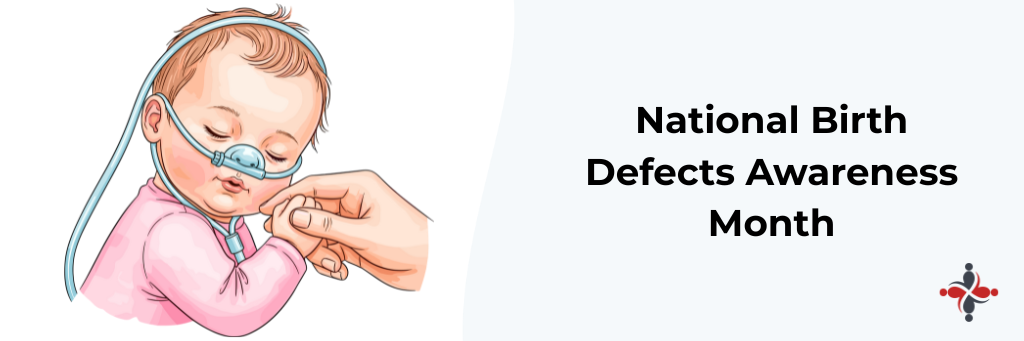
National Birth Defects Awareness Month is observed every January and a main focus during this month is to educate the public about birth defects and their impact. Birth defects affect many families, with 1 in 33 babies born with a defect each year in the U.S.
Raising awareness is crucial for early detection and intervention, which can improve outcomes for affected children. Family support and specialized pediatric care play vital roles in managing the challenges of birth defects.
This article will explore the importance of awareness, support, and complex medical care for families navigating life with birth defects.
Understanding Birth Defects: Facts and Figures
Birth defects occur when a baby’s development is disrupted in the womb. This can affect any part of the body.
Common birth defects include heart defects, cleft lip, and neural tube defects. These conditions vary in severity and impact, but, statistics reveal that birth defects are a significant health concern globally. In the U.S., they are a leading cause of infant deaths.
Understanding the factors that influence birth defects can aid in prevention and care. This knowledge is essential for medically fragile families and all healthcare professionals.
Birth Defects key statistics and facts:
- 1 in 33 babies is born with a defect in the U.S.
- Approximately 120,000 babies affected annually.
- Birth defects account for 20% of infant deaths.
- Genetic factors play a role in birth defects.
It’s important to grasp these facts to better support affected families and promote preventive measures.

The Importance of Early Detection and Intervention of Birth Defects
Early detection of birth defects can lead to better outcomes. Experienced clinicians play a crucial role in identifying issues, then work with Pediatric Specialists to provide tailored strategies for each child, because timely interventions can prevent complications later on.
Regular prenatal screenings are vital for early diagnosis. These tests can detect many birth defects before birth.
Key benefits of early detection and intervention include:
- Improved health outcomes for affected children.
- Reduced need for emergency interventions.
- Increased readiness for postnatal care.
- Better family planning and support.
With early detection, families can access the necessary resources and support they need. This is essential for managing long-term care needs for medically fragile children.
Long-Term Pediatric Care and the Role of an Experienced Clinical Team
Pediatric care for children with birth defects involves a comprehensive approach. Various specialists and pediatric experts work together to address each child’s unique needs. This approach ensures every aspect of the child’s health is covered.
An experienced clinical team is pivotal in managing complex conditions transitioning from the hospital. Their expertise aids in creating effective treatment plans. Careful coordination among doctors, nurses, and families is essential.
Effective pediatric care involves:
- Multidisciplinary approach to tailor and personalize plans of care.
- Regular monitoring and assessments.
- Coordination for seamless communication among care specialists.
Clear communication, collaboration and consistency is key to providing high-quality care at home. Families should be able to trust that each member of the clinical team is bringing essential expertise and support to their child. This coordinated effort makes a significant difference in patient outcomes, and when you choose Team Select, you’re choosing more than care – you’re choose a community of care.
Specialized Care for Medically Fragile Children with Birth Defects
Medically fragile children require specialized care to manage their complex medical needs. These needs often involve constant monitoring and tailored medical interventions. This level of care is crucial for their health and wellbeing.
Comprehensive treatment plans are essential. These plans are carefully designed by healthcare professionals to address all possible concerns. The plans often include medical procedures, therapies, and daily living support.
Important aspects for specialized care:
- Individualized medical management plans
- Regular evaluations by specialists
- Access to advanced medical technologies and treatments
Specialized care supports not only the child’s physical health but also their emotional and developmental needs. Families of medically fragile children rely heavily on support systems and resources to navigate these challenges effectively.
Private Duty Nursing: Personalized Support at Home
Private duty nursing offers essential care for children with complex medical needs at home. Skilled nurses provide one-on-one support tailored to each child’s health requirements. This personalized approach ensures continuity of care and enhances comfort for the family.
Key aspects of private duty nursing include:
- Tailored medical care plans
- In-home monitoring and interventions
- Collaboration with families and healthcare providers
This dedicated service allows families to manage care effectively, ensuring the child receives optimal support and intervention in a familiar environment.
Team Select Home Care: 17+ Years of Pediatric Expertise, Seamless Hospital Partnerships
For more than 17 years, Team Select has supported families across the nation and partnered with hospitals for the high-quality Pediatric Long-term Care and Private Duty Nursing (PDN). We work closely with NICUs, PICUs, specialty clinics, and discharge teams to ensure a safe, well-coordinated transition home, especially when a child has complex medical needs or a recent diagnosis.
What families and hospital partners can expect:
-
RN-led plans of care tailored to each child’s condition, goals, and routine.
-
Smooth handoffs from hospital to home, with clear teaching, written guides, and hands-on training for families.
-
Fast start-of-care and ongoing communication with pediatricians and specialists to keep everyone aligned.
-
Consistent, relationship-centered staffing so your child sees familiar, trusted caregivers.
Comprehensive Pediatric Services We Provide
When a child has a birth defect, is medically fragile, or needs extra support at home, comprehensive services make all the difference. Team Select offers an integrated suite of pediatric programs to match your child’s needs today, and as they grow.
Tracheostomy & Ventilation Care
Specialized airway care, ventilator management, suctioning, emergency planning, and caregiver education—centered on safety, comfort, and stability at home.
Enteral Tube Feeding & Therapy
G-tube/GJ-tube care, pump management, medication administration via tube, and nutrition coordination, with family teaching to build confidence day-to-day.
Seizure Management
Observation for seizure activity, rescue-medication support per orders, post-ictal monitoring, and escalation pathways—so families aren’t facing episodes alone.
Preemie & Pediatric High-Tech Care
Support for premature infants and technology-assisted children (oxygen, monitors, specialized equipment), including growth, positioning, and developmental routines aligned with your clinical team.
Respite Nursing Care
Short-term nursing relief so families can rest, manage appointments, and recharge—without disrupting the child’s plan of care.
Developmental Disability Support
Daily living assistance, safety, and communication supports woven into the clinical plan—helping children participate fully in family life while staying on track with therapies.
Team Select Is Here to Help
National Birth Defects Awareness Month is about more than awareness—it’s about action, support, and the right care at the right time. Whether you’re just coming home from the hospital or looking for more consistent help, Team Select is ready to stand with your family.
Talk to a local care expert today by filling out the form below to learn how our pediatric team can support your child’s unique needs and routine at home.
Frequently Asked Questions About Pediatric Care and Private Duty Nursing



Leave A Comment