
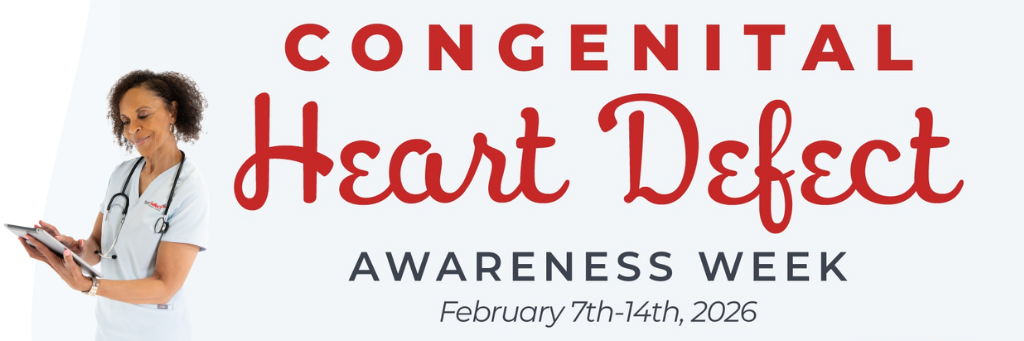
Congenital heart defects (CHDs) are the most common type of birth defect, affecting nearly 1 in 100 babies born each year. For many families, a CHD diagnosis brings questions, uncertainty, and the need for ongoing care long after hospital stays or surgeries.
During Congenital Heart Defect Awareness Week (February 7–14), we’re highlighting what families should know about CHDs in children; and how consistent, skilled care at home can support long-term health and quality of life.
Friendly reminder: This content is for general education only and should not replace guidance from your child’s medical provider.
What Are Congenital Heart Defects?
A congenital heart defect is a structural problem with the heart that is present at birth. These conditions affect how blood flows through the heart and to the rest of the body.
Some heart defects are mild and require minimal treatment, while others are complex and require surgery, medication, and long-term medical management.
Common Signs and Symptoms of CHDs in Children
Signs of a congenital heart defect can vary depending on the type and severity of the condition. Some symptoms appear at birth, while others develop over time.
Signs parents and caregivers may notice include:
- Rapid or labored breathing
- Bluish tint to lips, fingers, or toes (cyanosis)
- Poor feeding or difficulty gaining weight
- Excessive sweating, especially during feeding
- Fatigue or low energy
- Frequent respiratory infections
Team Select tip: If something feels off, trust your instincts. Early detection and monitoring matter.
How Congenital Heart Defects Are Treated
Treatment plans for CHDs are highly individualized and depend on the child’s diagnosis and overall health.
Treatment may include:
- Regular monitoring by a pediatric cardiologist
- Medications to support heart function or manage symptoms
- Surgical repair or catheter-based procedures
- Ongoing follow-up care as the child grows
For many children, treatment doesn’t end after surgery, ongoing care and observation at home are essential.
Ongoing Care at Home for Children With CHDs
Once a child transitions home, daily routines and monitoring play a critical role in supporting heart health.
Common home care needs may include:
- Monitoring breathing, heart rate, and oxygen levels
- Medication administration and schedule adherence
- Feeding support and energy conservation
- Recognizing early signs of complications
- Supporting safe activity levels as recommended by providers
For children with complex CHDs, these responsibilities can feel overwhelming without the right support.
How Pediatric Home Care Supports Children With Congenital Heart Defects
At Team Select Home Care, we understand that caring for a child with a heart condition requires consistency, skill, and compassion.
Depending on the provider-directed plan of care, pediatric private duty nursing may help support:
- One-on-one skilled nursing care in the home
- Medication management and symptom observation
- Feeding support for infants and children
- Monitoring respiratory status and oxygen use
- Education and confidence-building for caregivers
- Coordination with pediatric cardiology teams
Our nurses are experienced in caring for medically complex children and supporting families through every stage of care at home.
Supporting Families Beyond Awareness Week
Congenital Heart Defect Awareness Week is a reminder that heart health is a journey, not a moment. With the right medical team and home support in place, children with CHDs can continue to grow, thrive, and reach meaningful milestones.
Organizations like the Children’s Heart Foundation play a vital role in advancing research, education, and awareness for congenital heart defects. Their work helps fund critical research aimed at improving diagnosis, treatment, and long-term outcomes for children living with CHDs.
For families looking to learn more or get involved, the Children’s Heart Foundation offers trusted resources and support focused on congenital heart disease research and advocacy.
If your child requires skilled pediatric care at home, Team Select Home Care is here to help support your family; one routine, one day at a time.
Pediatric Private Duty Nursing | Skilled In-Home Care | Family-Centered Support
Reach out to Team Select Home Care to learn more about pediatric care options and state program eligibility.



Leave A Comment